About the archive

Why SOX and SON lanterns reward close study

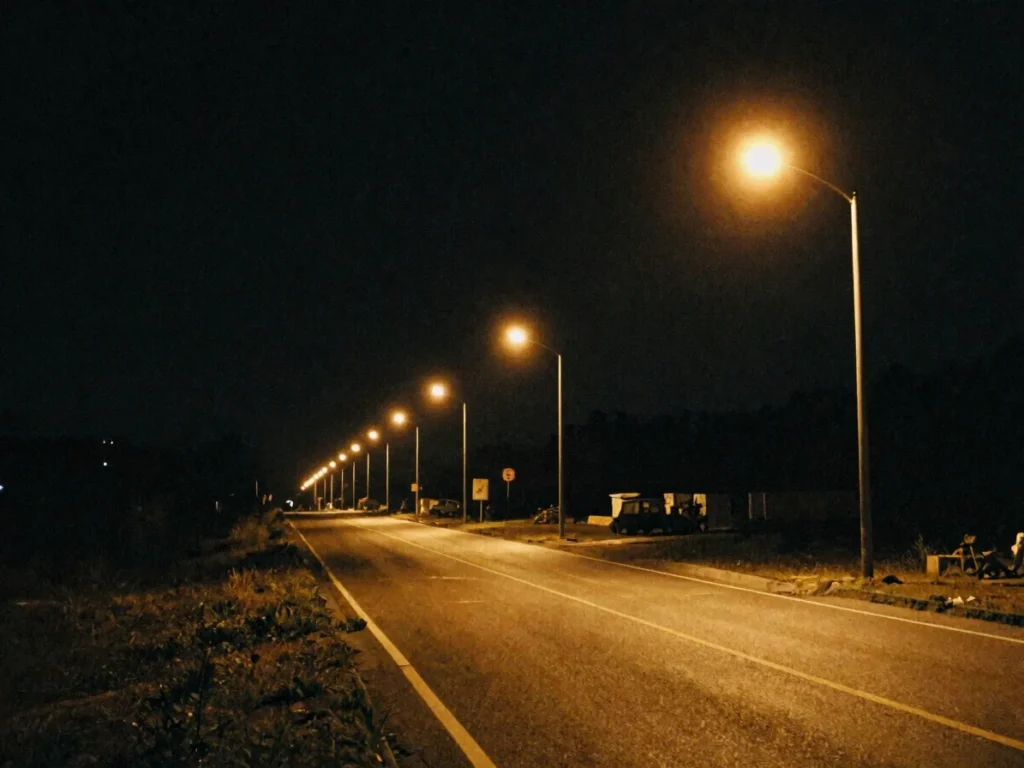
Sodium discharge street lighting is being retired and converted across many streets, and fixtures that once defined the night are quietly disappearing. This archive was founded to document SOX and SON lanterns before they are gone, recording what they look like and how they sit in the street.

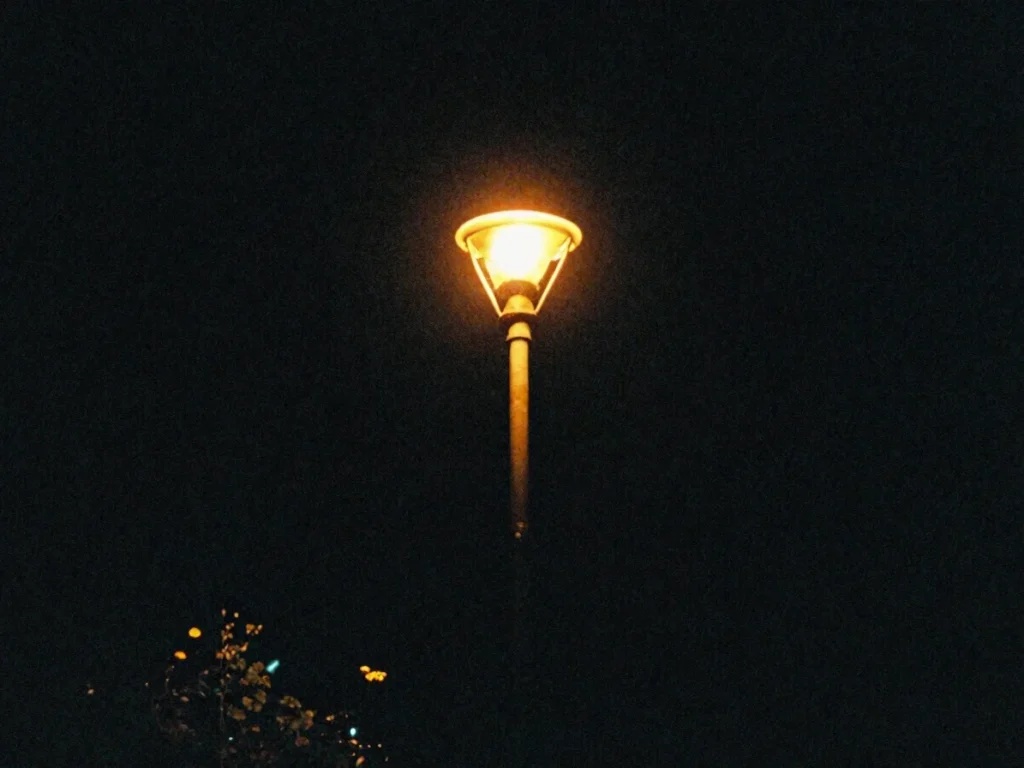
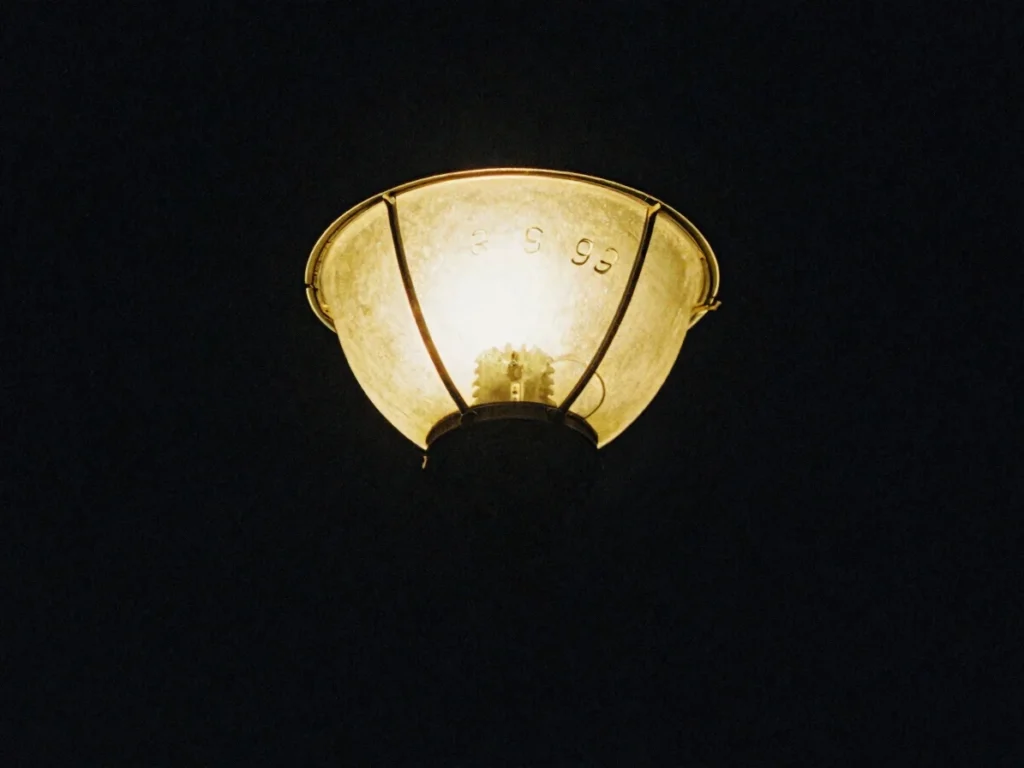
A familiar lamp can still reward a closer look. Column mounting, bowl shapes, gear trays and the way a lamp warms up at dusk all carry information about how these fittings were designed and used. Treating them as industrial design heritage keeps the discussion grounded in the lights themselves.
Field method

Observing the lamp, then the street

Step one

Identify the column and mounting

Each observation begins with the column itself: its material, its mounting arrangement and how the luminaire is attached. Recording these details first keeps later comparisons consistent.

Step two

Classify the optics and gear

Bowl types, lens arrangements and gear trays are noted and sorted into a working classification. The aim is a plain, checkable record rather than a verdict on any fitting.

Step three

Record the lamp at dusk and after

Photographs are taken as the light warms up and once it is fully lit, showing how the lamp behaves over the first minutes of the evening and how it sits within its street.

Our purpose

SOX and SON lamps are the subject here, not a side note to broader lighting.— The archive maintainer